
Gut Health Solutions: Quick-Fixes for IBS
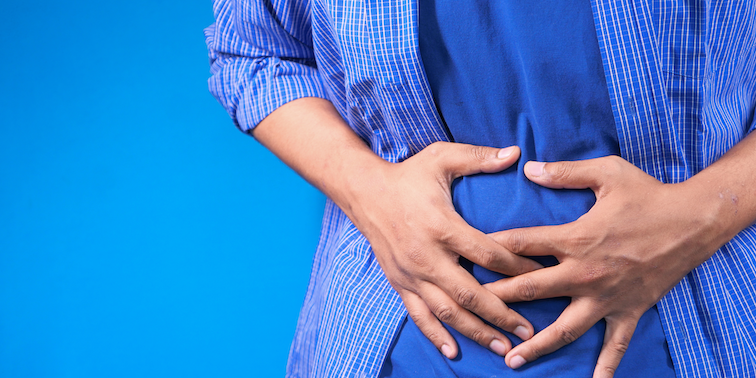
Managine IBS is one of the most common conditions I manage with clients, as a Functional Health Coach for the midd-aged population. Your gut is central to the health of your whole body. It not only digests your food, but also impacts your brain function, skin, immune system, respiratory health, detoxification, and cardiovascular health. So when your gut health is off, it can show up in all of these different areas of your body, making it difficult to solve your skin or mood issues by yourself, without looking at your total health picture in order to get to the root-cause.
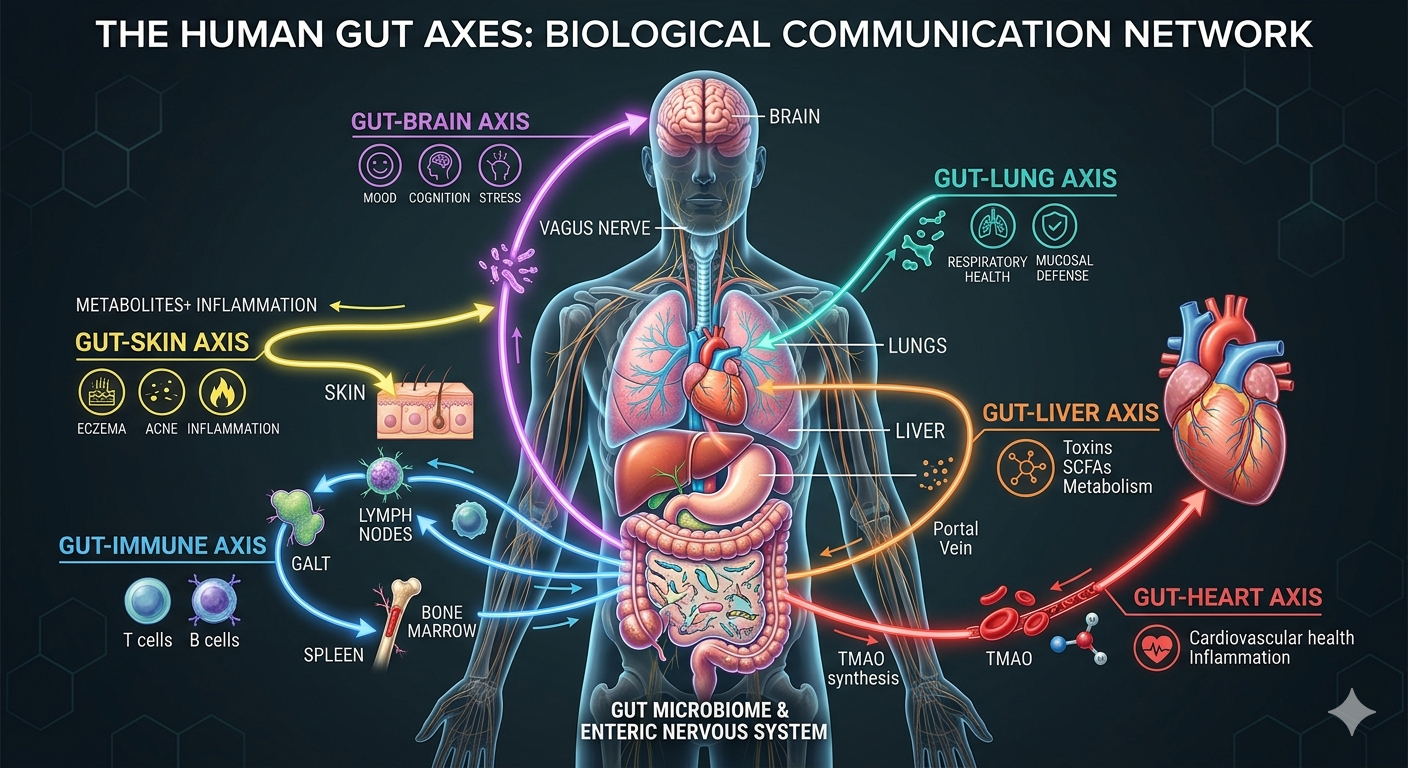
The good news is that you can drastically improve your gut health within days of following the right steps.The food and drink you consume will either make your symptoms better or worse, so pointing your focus on that is critical.
Whether you’re suffering with constipation, diarrhoea, bloating, gas, stomach pain, or all the above, here is exactly what I’d recommend for you to feel better as fast as possible.
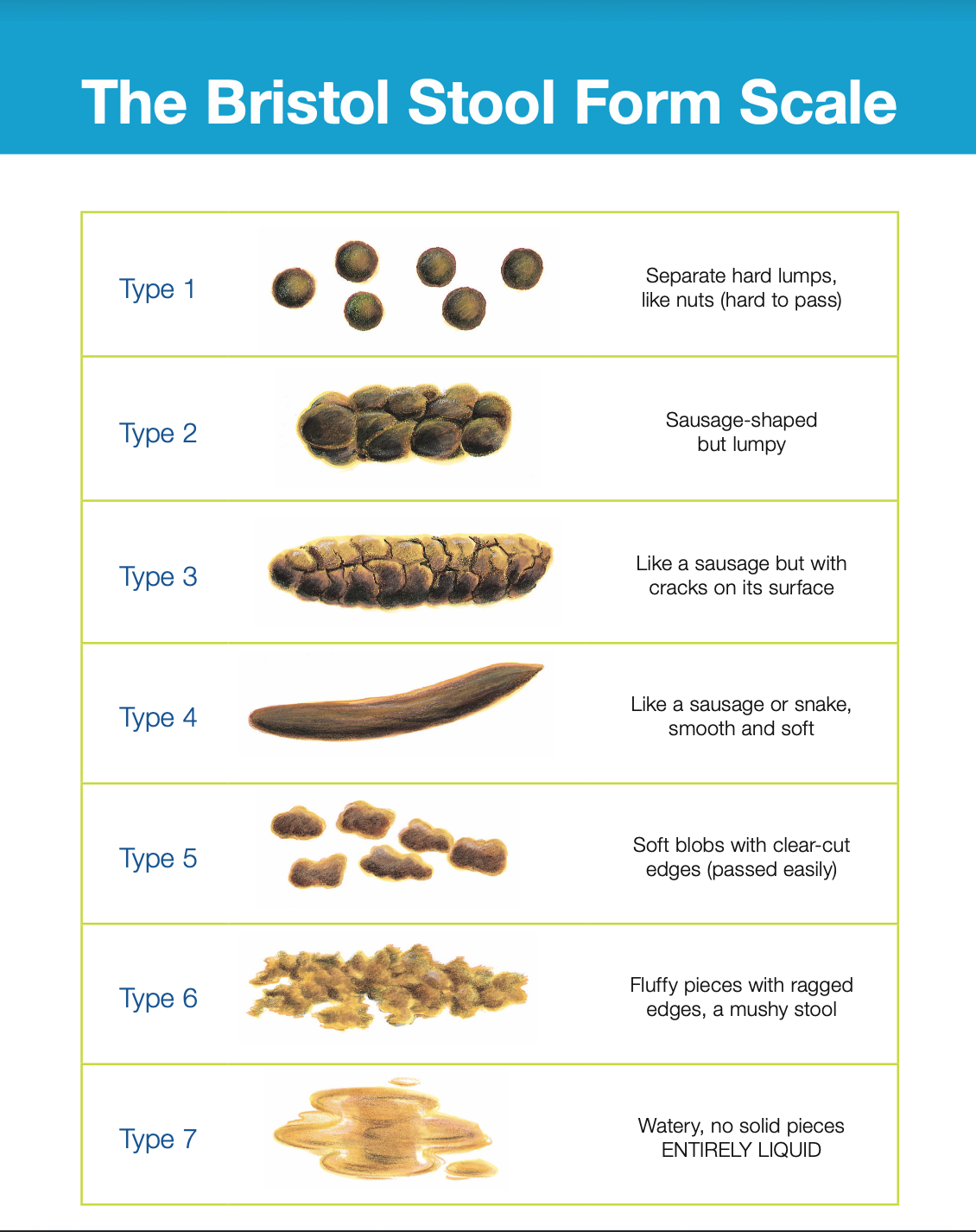
Your stool consistency is a good way to begin to asses if you have an issue that needs addressing. Below is the Bristol Stool chart, where you can see 7 different types of consistencies. Types 3 or 4 are considered healthy, so if you're usually another type, or your stools vary from type to type, there's your first red flag.
First, ‘HOW’ (not ‘what’) do you eat?
How you eat, is just as important as what you eat. In the modern world, most people eat far too quickly and mindlessly, in a rush between meetings, or picking the kids up from school.
This not only increases the likelihood of you making poor food choices and over-consuming, but also damages your ability to digest your food, which opens the door for nutritional deficiencies, digestive malfunction, and more.
The very first phase of digestion, the Cephalic Phase, is the initial production of saliva, stomach acid, and enzymes needed to properly breakdown your food. It heavily depends on the very conscious anticipation of food ingestion, so if your mind is more in anticipation of an important email, or the next thrilling moment of your favourite tv show, that takes away from this essential phase that your gut health needs to work properly.
Here are some basic rules for proper meal-time hygiene, if you usually eat in a rush and a state of stress:
- 5-10-20 Rule
- 5 deep breaths right before starting to eat to calm your nervous system
- 10seconds minimum between each bite (30 seconds would be better for chewing), to slow you down.
- 20 minutes minimum time eating your meal (30-60 minutes would be better). It takes roughly 20 minutes for satiety hormones (like leptin and peptide YY) to travel from your gut to your brain to signal that you are full.
- Mindful Eating – “Savour the flavour” of your food
- Use your 5 senses on your food
- What does it look like?
- What does it smell like?
- What does it taste like?
- What does it sound like (when you chew)? Crunchy, chewy etc.
- What does it feel like (texture)? Hard, soft, dry moist etc.
- This helps to slow you down, and give you more satisfaction from your food, on top of improving your digestion.
- Use your 5 senses on your food
- Have a designated eating area
- Not where you work
- Ideally not in front of the tv
Put the Fire Out! (Remove)
That means to remove any obvious food or drink that we logically know are damaging to your gut, such as deep-fried food, alcohol, baked goods, sweets, chocolate etc. This includes any sports supplements with additives such as protein bars, shakes, gels, and pre-workouts. This isn’t necessarily forever, but certainly for an initial few weeks, followed by more moderate consumption of these items, if any.
This may also mean to temporarily remove foods or drinks you consume most frequently, as it’s common to develop food sensitivities to your most repeated foods. Gluten and dairy containing items are most common here, closely followed by FODMAPs, which are a specific group of highly fermentable carbohydrates or fibre-sources.
- This is why you may find that your symptoms improve when traveling, as you’re simply forced into some diet variation.
Other more specific foods groups that may need temporarily removing are oxalates, lectins, nightshades, or high-histamine foods. If you’re really not sure what needs eliminating and want to start by just removing everything, then that leaves you with following what’s called an AIP (Auto-Immune Protocol) diet. This can be very helpful for a few weeks, but should be followed by a controlled reintroduction of the removed food groups.
Lastly, you have to remove your need to over-consume. An ongoing gut problem is the worst time to start a“bulk phase” of intentionally gaining weight, and perhaps the best time to start a “cut” or “shred” for fat-loss.
Gut bacteria or fungal issues are common with IBS, and the food you eat essentially feeds those microbes in your gut, so in the short term, you need to starve any overgrown problematic microbes. Eat at maintenance calories, or in a slight deficit.
Rebuild The Foundations (Replace)
After eating more mindfully and removing poorly digested foods, you need to gently supply your gut with nutrient-dense and more easily-digested food to improve its digestive function. This includes:
- Proteins from slow cooked meats, ground meat, bone broths, organ meats, and fish, all cooked through, but soft enough to easily chew.
- Fats from extra-virgin olive oil, coconut oil, grass-fed butter or ghee, avocado oil, tallow, and from the same meats you get your protein from
- Carbohydrates that digest more easily, like white rice and buckwheat
- Fibre from low-risk vegetables like Boy Choy, Broccoli, Carrots, Zucchini, and Pumpkin, and fruits such as berries, apples, pears, kiwis, and pineapple.
The ratios of these foods will likely be more moderate in protein, high in fat, low in carbs, and low-moderate in fibre initially, but needs to be individualised for you according to which foods you usually eat and which foods you struggle to digestif known.
When selecting your foods, you ideally want to switch out foods that you most commonly eat, and choose foods you don’t typically go for. So if chicken, rice and blueberries are part of your daily diet, you may fare better on beef, potato, and kiwis.
Other foods that can further help with your digestion are:
- Bitter foods, such as rocket (arugula), radish, or a Swedish bitters supplement consumed before your main meals. This can encourage your body to up-regulate its production of stomach acid, enzymes and bile needed to break your food down properly.
- GreenTea is rich in antioxidants, and some specific polyphenols (flavonoids, catechins and EGCG), which similar to prebiotic fibres, are great for cleaning up your gut.
- Peppermint, fennel, aniseed teas can be great at relieving stomach aches, as well as also being rich in antioxidants and polyphenols.
Long-term Plan (Maintain & Diversify)
The above suggestions are not only best for giving you quick relief from long-term digestive issues, but are the foundation for excellent long-term gut health. The only thing lacking from the above is food-diversity. In the short-term, less diversity is often the way to go, as it simplifies your plan of action, and limits the foods you need to figure out if they cause problems for you or not.
A lack of diversity long-term can be terrible for your gut microbiome (bacterial population), as different foods feed different bacteria, and so eating the same few foods all the time can lead to low levels of some bacteria and overgrown high levels of others, which will continue to lead to unwanted symptoms.
Reintroduce some foods one at a time, that you initially removed, and see how you go. This could be gluten, dairy, a higher FODMAP food, lectins like red lentils etc. Start with a small portion at one meal, and build up.
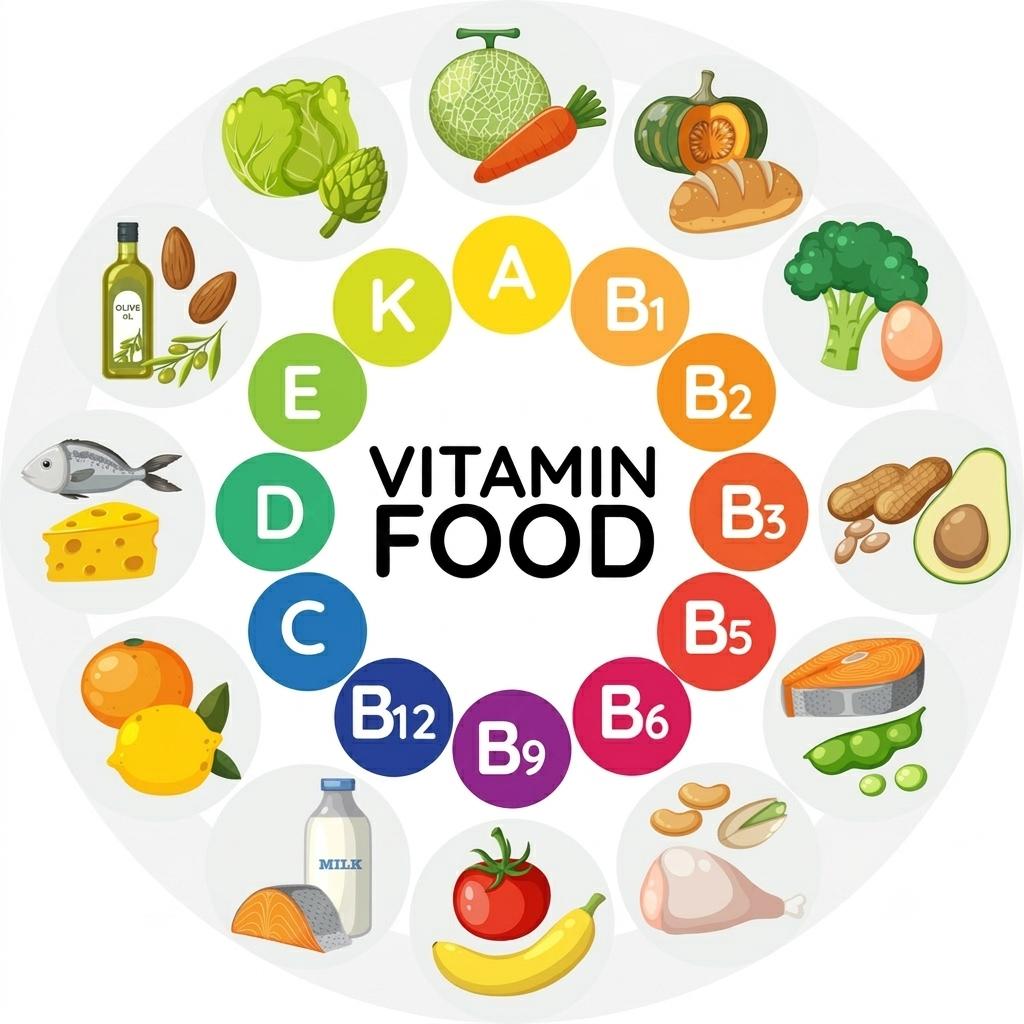
Increase your food diversity gradually, and keep rotating your foods throughout each week or month. A really simple strategy I use is to buy a different medley of vegetables every few days that I food-shop. So one day might be red onion, broccoli, carrot, and zucchini, and a few days later I might get red cabbage, green beans, mushrooms, and a bell pepper. I also opt for each food being a different colour as this provides you with more variety of polyphenols. Some of the most well-known polyphenols and colours of food we have are the yellow of turmeric, and resveratrol in red grapes.
Once your gut is in a better place every single day, the occasional beer, burger or Chinese takeaway shouldn’t be a problem.
Answering the Most Complex Cases
Some cases need a more thorough examination, which calls for a comprehensive stool test. Read here for more details on that, and reach out to me if you feel this is something you need.

Achieve Your Optimal Health
Take control of your health with our comprehensive functional health test. Our personalised approach will help you identify underlying issues and create a roadmap to your optimal well-being.